Get CSIA/NFI-certified chimney professionals in Ohio who follow NFPA 211 and local code to evaluate, maintain, fix, and enhance your chimney system. We deliver documented draft and CO levels, clearance verification, creosote assessment, and examination of caps, crowns, flashing, and liners. Our services feature HEPA sweeping, waterproofing, masonry restoration, stainless caps, top-sealing dampers, and EPA-certified inserts. Correct liner sizing and insulation boost safety and efficiency. Get photo reports, permits, warranties, and insurance. Find out how to choose the right service provider and solutions today.
Core Insights
- We perform CSIA-compliant safety inspections in accordance with NFPA 211 and Ohio code, featuring detailed documentation of draft evaluation, CO measurements, clearance requirements, and comprehensive Level II reports backed by photos.
- Expert chimney maintenance and creosote extraction with HEPA containment systems; scheduled seasonal maintenance and moisture control and draft optimization to prevent buildup and ensure safety.
- Emergency response for CO alarms, smoke odors, poor draft, water leaks, masonry damage, or debris indicating obstruction.
- Repairs and waterproofing services include crown repair, cap installation, flashing maintenance, mortar repairs, and sealer application, plus wildlife exclusion using properly sized screens.
- We specialize in liner installations and efficiency improvements, including durable stainless steel chimney liners, EPA-approved inserts, premium damper systems, and expertly adjusted draft control for improved safety and operational efficiency.
Why Routine Chimney Inspections Matter in Ohio
Even with minimal fireplace usage, Ohio's seasonal weather patterns can swiftly damage critical chimney elements. Regular chimney inspections are required to verify structural integrity, clearances, and venting requirements per NFPA 211 and local code. A certified technician will document creosote buildup, look for moisture damage, evaluate crown and flashing, and confirm that chimney components operate correctly. They'll also evaluate air flow routes and monitor carbon monoxide risk.
Regular inspections help maintain regular care by detecting early signs of damage like tiny mortar breaks, deteriorating brick, and metal deterioration before serious issues arise. You can decrease fire hazards, boost draft performance, and extend system longevity. Don't forget to add wildlife prevention by checking well-maintained protective barriers configured to block wildlife and pests from making nests while maintaining proper airflow.
Critical Indicators Your Fireplace and Chimney Need Professional Help
Regular inspections identify problems early, but you should watch for signals that demand prompt attention to stay compliant with NFPA 211 and Ohio building codes. Should you observe ongoing smoky smells, poor draft, or soot staining, you might have a blocked ventilation or dangerous creosote accumulation that increases fire risk. Install carbon monoxide detectors and respond immediately to CO warnings. Look for dampness on surfaces near the chimney, which suggest a damaged flashing. Be aware of chimney pests and buildup. Visually inspect for tilting, cracked masonry, or spalling-structural issues demanding quick inspection. Problematic or slow-burning flames signal draft concerns. Any smoke spillage, falling embers, or falling debris requires a CSIA-certified inspection immediately.
Annual Cleaning and Creosote Removal Best Practices
For optimal safety and efficiency, arrange a CSIA-certified chimney sweep at least once during each heating season - or schedule additional services for frequent use or detect Stage 2-3 creosote. This aligns with NFPA 211 recommendations and minimizes creosote buildup. Consider booking during off-peak times to ensure timely service. A certified professional will examine system safety, draft performance, safety distances, and connector status, then thoroughly clean built-up debris and creosote using professional-grade cleaning equipment and HEPA air filtering.
You can contribute between burning sessions by maintaining these practices: burn only seasoned hardwood (with moisture below 20% moisture), ensure proper air flow to prevent smoldering, and keep flue temperatures steady. Install a thermometer on your stove and ensure smoke path components fit tightly. After burning through each cord, examine for 1/8 inch deposits; when reaching 1/4 inch, discontinue use until thoroughly cleaned.
Expert Services: Masonry Work, Crown & Cap Repairs, Waterproofing Solutions
Once creosote is managed, you must preserve the chimney's construction and weatherproofing. Weather cycles in Ohio frequently harm brick and mortar joints, so arrange joint restoration using ASTM-approved construction products and compatible joint tooling for existing joints. Restore cracked crowns using a reinforced, fiber-reinforced cement compound, appropriately pitched and including an protruding drainage edge for water deflection. Fit or update stainless-steel caps with corrosion-resistant hardware and correctly fitted spark arrestors matched to the chimney outlet.
Prioritize the repair of flashing where roofs intersect, incorporating step and counter-flashing into mortar joints correctly. Follow NFPA 211 standards. Treat exterior masonry with vapor-permeable waterproofing and avoid using film-forming sealers that lock in moisture. Maintain detailed records of all repairs, drying times, and warranties, and set up routine seasonal inspections to ensure optimal function.
Understanding Chimney Liners: Types, Benefits, and Installation Guide
The selection of the appropriate liner - including stainless steel, aluminum, clay tile, or cast-in-place - depends on the type of fuel, flue dimensions, and Ohio building codes. The correct liner improves draft, increases appliance efficiency, and safeguards masonry from thermal and chemical damage to maintain UL-listed clearances and NFPA 211 compliance. During the installation process, a qualified professional sizes the liner, adds insulation as required, routes and secures the system, fastens joints and termination, and performs a draft/smoke test to ensure safe operation.
Liner Material Selection
When choosing an appropriate chimney liner material involves aligning it with your specific appliance, fuel source, and local regulations. Stainless steel solutions are robust and come UL-listed for gas, oil, and wood applications. Consider choosing rigid stainless for straight chimneys or flexible stainless for angular sections; opt for 316 steel for oil/wood applications and 304 for gas if code permits. Always insulate as required to preserve appropriate clearances and optimal flue temperatures.
Ceramic solutions feature clay tile alongside cast-in-place installations. Clay is economical for new masonry but demands correct sizing and solid joint integrity. Cast-in-place installations fortify existing stacks and provide an uninterrupted, heat-resistant flue.
Consider corrosion classification, thermal shock resistance, and diameter specifications as per NFPA 211 and manufacturer requirements. Make sure to check connector compatibility, end components, and Ohio building code compliance before proceeding with installation.
Security and Performance
While the selection of liners starts with dimensional requirements and materials, operational safety and efficiency depend on how well the liner controls draft, heat, and combustion residues under code-specified conditions. There must be an appropriately sized, uninterrupted flue passage to maintain proper draft, optimize fireplace ventilation, and stop flue gases from cooling that creates acidic or creosote condensation. Effective insulation keeps flue temperature, improving combustion efficiency and minimizing ignition risks. Chemical-resistant liners manage CO and moisture, preserving the masonry structure and adjacent flammable materials.
Match the liner diameter according to the appliance outlet following NFPA 211 and manufacturer listings; oversizing reduces draft, using too small a diameter elevates stack temperature and fume leakage. Confirm clearances and joints are gas-tight. Place carbon monoxide detectors for each story and adjacent to sleeping areas. Book annual Level II evaluations and log performance metrics: CO levels, draft measurements, and temperature readings.
Setup Process Overview
The installation process focuses on creating a uninterrupted, code-compliant flue system that aligns with the venting plan and equipment specifications. First, we verify the appliance BTU rating, fuel type, and chimney height to accurately dimension the liner in accordance with NFPA 211 and manufacturer requirements. We pull local permit documentation, assess existing specifications, and coordinate inspection appointments.
After that, we make preparations for the flue, clear blockages, and fit the chosen liner (cast-in-place), using insulated components where clearance-to-combustibles demands. We terminate with a approved cap, secure top plate, and airtight thimble or appliance connector. We perform smoke testing for verification.
The majority of installations finish in one day; but intricate offsets, masonry fixes, or weather-related delays may extend the duration to 2-3 days. You'll get final inspection certification and complete documentation.
Efficiency Upgrades: Draft Control, Inserts, and Damper Systems
Enhance performance while lowering emissions by fitting a premium fireplace insert that's appropriately matched and connected to your flue. Add a sealed, top-mounted damper to minimize heat escape, prevent moisture and pests, and satisfy local mechanical and fire code requirements. Finally, optimize draft control with measured sealing, smoke-shelf and throat adjustments, and pressure-balancing solutions to prevent backdrafts and maintain safe combustion.
Premium Fireplace Inserts
Boost heat output and minimize fuel waste by adding a premium-grade fireplace insert designed to comply with modern codes and EPA emissions standards. You'll convert an open masonry fireplace into a sealed combustion system with a qualified liner, thermal surround, and tight door gaskets that improve efficiency and reduce particulate emissions.
Pick a gas, wood, or pellet insert sized correctly to match the room's heating requirements to ensure efficient zone heating. Our team will confirm proper clearance requirements, hearth protection, and appropriate venting according to NFPA 211 and Ohio Residential Code. Optimized airflow is critical: we connect the insert to a listed stainless liner, determine proper flue height, and adjust combustion air to minimize backdrafts.
Enjoy regulated heating, extended operation times, and dependable thermostatic regulation-plus safer operation, easier maintenance, and lower fuel expenses.
Top-Sealing Damper Benefits
Often underestimated, a top-sealing damper offers vital protection by securing the chimney crown. This important component helps prevent heating and cooling losses, prevents cold air from flowing down, and protects against water intrusion and animals. By creating a seal at the top, it significantly reduces the column of cold air in the flue, enhancing energy conservation and minimizing stack-effect heat loss during Ohio's extended heating season. Additionally, you'll safeguard your flue from weather-related deterioration, which limits freeze-thaw damage and corrosion.
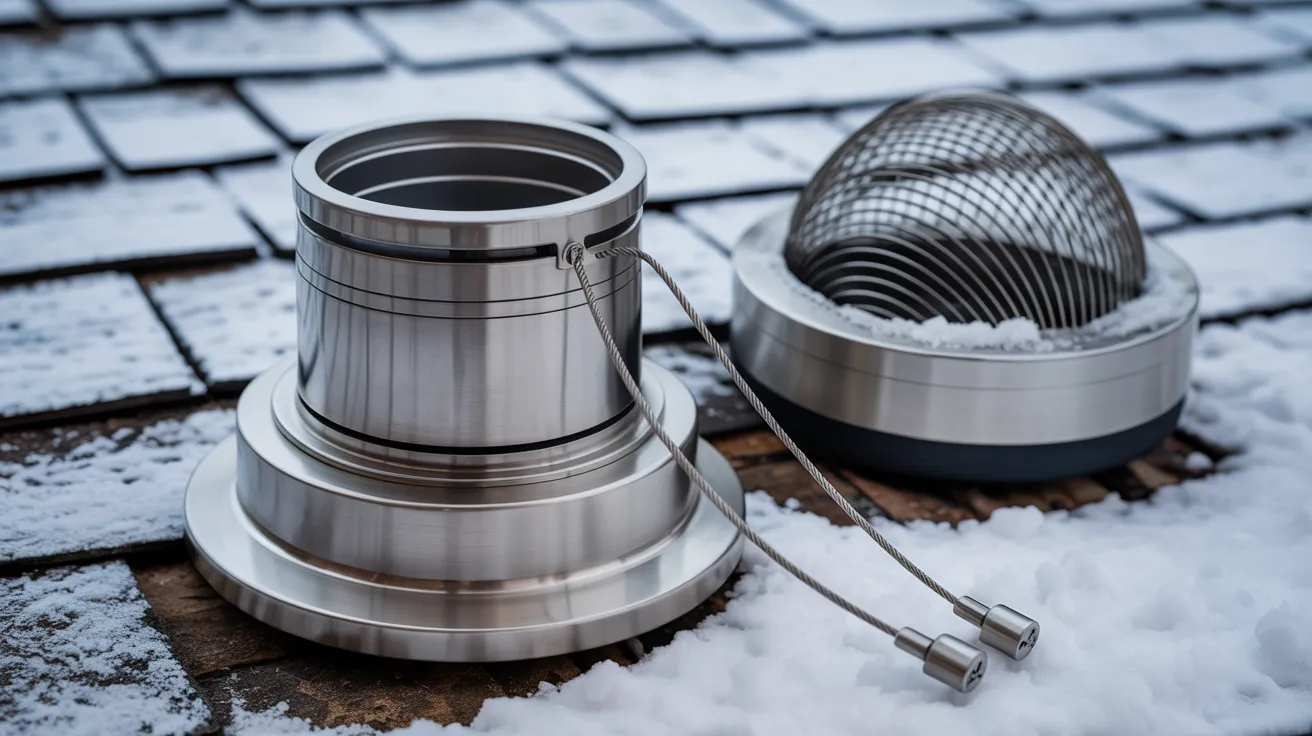
The unit features stainless hardware and a high-temperature gasket, functioning via a firebox-mounted cable. It's required to open it completely before lighting any fire to ensure proper combustion and safe venting in accordance with NFPA 211. We carefully measure and anchor the frame to correspond to your flue tile, check lid travel and seal compression, and verify smoke-tight closure for code-compliant performance.
Sealing and Draft Management
Optimizing draft control commences with weatherproofing the complete setup end-to-end-firebox, throat, smoke chamber, flue, and cap-so air and exhaust gases move as designed without heat loss. You'll reduce unwanted airflow that reduces flue temperature, impairs draft performance, and may lead to smoke spillage. We implement standard-conforming refractory repairs, apply smooth parging to chambers, repoint clay joints, and secure steel liners with listed components. Then we tune airflow balancing: ensure proper flue sizing, verify sufficient air supply, and adjust damper settings for consistent draft. We fit inserts with snug-fitting borders and thermal-lined conduits to stop unwanted airflow. We check clearances to combustibles, chimney height per 3‑2‑10, and CO protection. Lastly, we conduct pressure testing, verify draft readings, and document compliance for your documentation.
Choosing a Qualified Ohio Chimney Professional
Before hiring anyone to evaluate, clean, or fix your chimney in Ohio, always check they possess proper, acknowledged qualifications and comply with state and local code requirements. Request CSIA or NFI certification and proof of ongoing education. Request written details, photo documentation, and code references for all Certified inspections. Ensure they comply with NFPA 211, IRC/IMC, and manufacturer listings for liners, clearances, and terminations.
Verify licensing validation via the Ohio Construction Industry Licensing Board where required, and confirm the contractor maintains Ohio-accepted liability insurance and workers' compensation. Ask for recent local permits and completed inspection forms. Check Better Business Bureau rating, certification in gas appliances, and CO testing capabilities. Require comprehensive estimates, warranty terms, and a specific remediation plan for Level 2 findings following appliance replacement or chimney relining.
Frequently Asked Questions
What's the Average Cost of Chimney and Fireplace Services in Ohio?
You'll typically pay $100-$250 for a Level 1 sweep, $200-$400 for chimney inspections, and $300-$1,200 for minor masonry or crown repairs. A full relining project runs $1,500-$4,000; tuckpointing typically costs $8-$20 per linear foot. Construction and rebuild costs fluctuate based on codes and materials. Expect emergency fees of $100-$300 for non-standard hours. Request written, code-compliant scope with NFPA 211 references and insurance verification. Verify Level 2/3 inspections prior to real estate transactions or following fire incidents.
Are Seasonal Discounts and Maintenance Plans Available?
Absolutely - many providers offer maintenance plans and seasonal deals. With seasonal heating needs rising up to 30%, you'll get better rates by booking during slower periods. Watch for special NFPA 211-compliant Level 1 inspections combined with sweep services, priority scheduling, and multi-flue pricing. Regular maintenance packages typically include leak checks, cap/damper inspections, and CO/combustion safety verification. Review written scope, code compliance, and CSIA certification, and check exclusions (masonry repairs, liners) before enrolling to maintain safety and warranty validity.
How Much Time Should I Allow for a Chimney Service Call?
Allocate a 60 to 90 minute appointment. This timeframe covers setup, access, and a complete NFPA 211-compliant inspection. You will get a comprehensive visual Level I assessment, plus draft and clearance evaluations, and a professional inspection checklist confirming flue integrity, cap condition, crown, firebox, and smoke chamber. If sweeping is required, plan for an additional 30-60 minutes using our HEPA-filtered cleaning system. Level II camera inspections or masonry repairs will require additional time. Make sure pets are secured and the firebox has been cold for 12 hours before our arrival.
Do Ohio Municipalities Require Specific Chimney Permits or Inspections?
Absolutely - most Ohio localities demand permits and inspections for chimneys. Picture sparks meeting dry leaves: these scenarios drive safety codes and building regulations. You'll usually need a permit for fireplace installations, chimney relining, flue modifications, or height adjustments, with both preliminary and final inspections. Verify local amendments to the residential building code, zoning requirements, and fire safety standards. Contact your local building office, provide plans, and arrange inspections to guarantee code compliance, insurance validity, and safe operation.
Are Wood, Gas, and Pellet Appliances Included in One Service Visit
Indeed, but only if the scope fits each appliance's requirements. You'll encounter different fuel types and venting differences, so a comprehensive check can include all systems, but specific services will be different. Experts examine spacing, connections, and endpoints; assess draft, combustion air, and CO; and service flues specific to wood, gas, and pellet systems. They'll follow NFPA 211 and manufacturer specs, record any issues, and advise if separate cleaning, parts, or specialized diagnostics are needed.
Final Thoughts
You've probably heard the notion that Ohio's less severe winters mean chimney maintenance isn't critical. Check this theory: examine your flue after just one season. You're bound to find glazed creosote, freeze-damaged masonry, or a deteriorated cap-all NFPA 211 hazards. When you book Level I-II inspections, code-compliant cleanings, and UL-listed chimney components, you minimize ventilation problems, safety risks, and read more structural issues. Select a CSIA- or NFI-certified expert, check permits, and demand written documentation and images. Safety and efficiency aren't seasonal. They're systemic.